


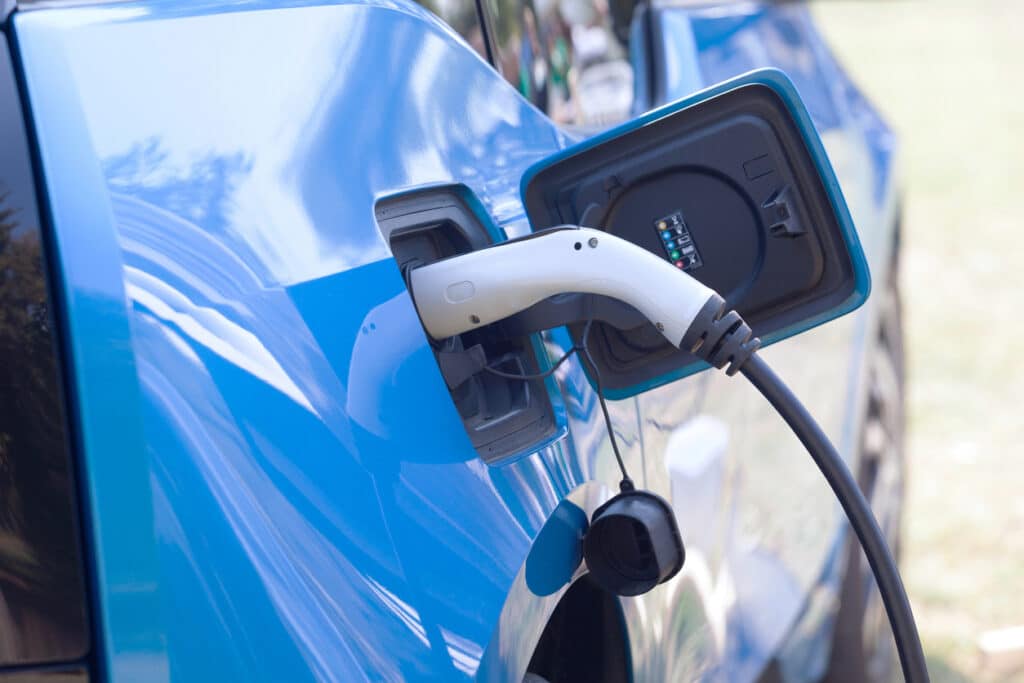
To the typical layperson, plugging in an electric car can look no different than charging a phone. Sure, that’s partially what happens; however, there is so much more to this process. What many don’t realize is that the cable is doing a whole lot more than conducting electricity. There’s a considerable amount of communication going on between the car and the charger. The car must calculate how much power it requires, and the charger needs to figure out what it can safely provide. All of this occurs in just a few rapid seconds before charging even begins.
Every electric car (EV) comes with an onboard charger. That component is what’s responsible for converting the electricity from your charger into a form of energy your battery can actually store. That’s why different cars charge at varying rates, even when they plug into the same outlet.
Level One, Level Two, and More
Chargers are manufactured differently. Some will charge a vehicle in a flash, while others will take hours or even days to bring a battery to full capacity.
Level one chargers are the slowest and plug into a standard outlet like one you’d find in a kitchen or garage. They’re the cats’ meow for overnight charging, but they won’t help much if you need a boost in haste. Level two chargers require more electricity and special wiring. You will typically find these in most workplaces and publicly accessible charging stations, and they can typically recharge a car in several hours as opposed to an entire day.
Then there’s DC fast charging. This bypasses the onboard charger that’s part of the car and sends electricity straight to the battery. It’s faster because less conversion takes place. You can frequently find these chargers while driving on highways or at travel centers. But with even a fast charger, the car battery will still limit how quickly it will fully juice up. It can be damaged by attempting to force too much electricity into it, so the system slows things down when necessary.
Charging Isn’t Just About Electricity
The vehicle charging process is not passive in the same way as when you plug an appliance or lamp into the wall for use. The car battery and the charger are in constant communication with one another, which is critical for detecting problems and making adjustments to charging speeds to protect the vehicle and the person owning it. Some cases when charging speeds will be adjusted include the battery becoming too hot or a component malfunctioning.
Additionally, chargers do not all have the same type of adapter. Tesla, for instance, has a proprietary plug.
For your charger to work well, you must schedule regular maintenance. Experts recommend you call for service at least once each year. During a service call, an electrician will clean away debris and check all components to make sure they are functioning optimally. If they spot any problems, they will collaborate with you to make the necessary repairs. To schedule service for your EV charger at your St Louis, MO home, call the team at Innovate Electric.
